East Palo Alto Room Additions: Licensed Home Expansion Solutions
Upgrade Your Home: Creative Ideas for Stunning Home Additions
Revitalizing a home through strategic additions can significantly improve both its practical value and visual charm. From sun-drenched sunrooms that maximize daylight to expansive decks perfect for entertaining, the possibilities are diverse. Extending vital areas like kitchens promotes meaningful interaction, while a garage can solve storage dilemmas. Appreciating core design factors and careful planning is crucial. Yet, what really drives homeowners to adopt these transformations? The answer lies in the transformative power of well-executed home additions.
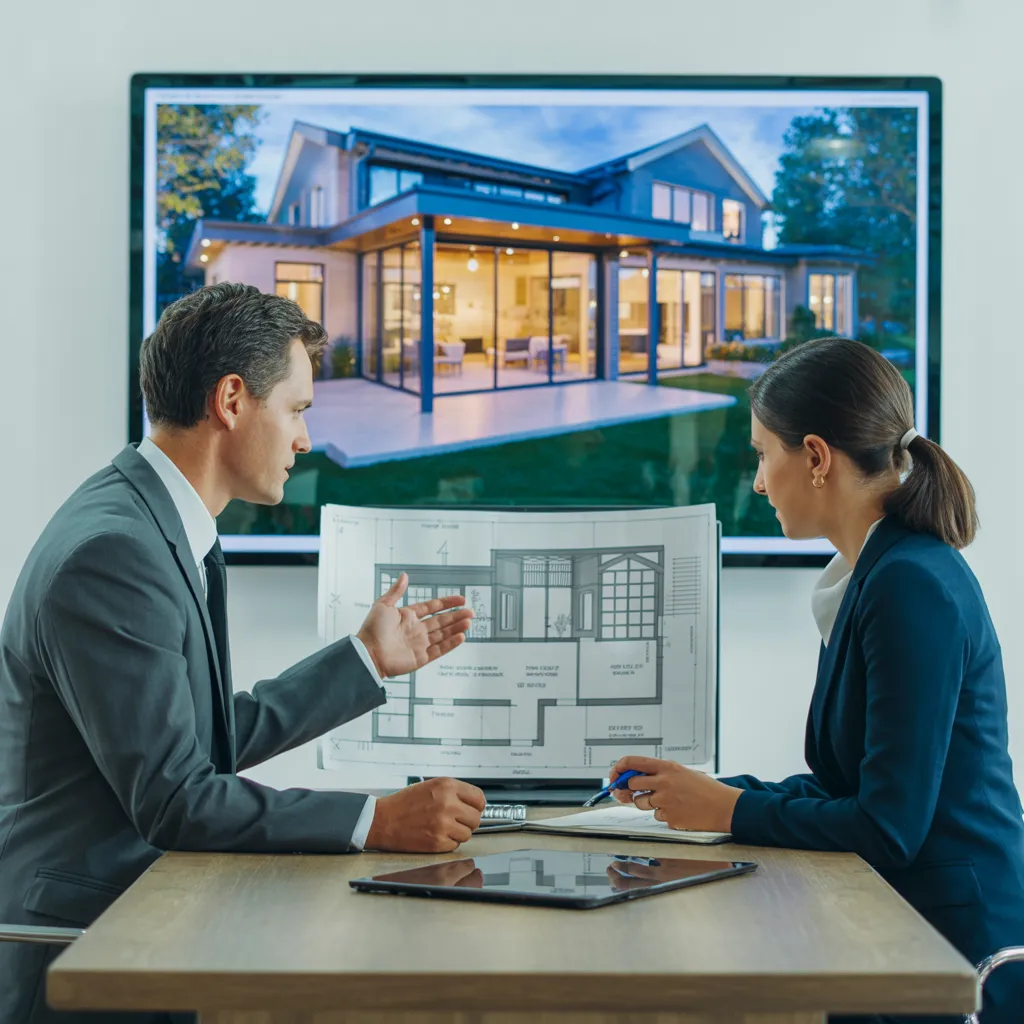
Uncover Leading Home Addition Ideas to Upgrade Your Space
Homeowners frequently look for creative methods to improve their living spaces, and discovering trending home addition concepts can provide remarkable improvements. A commonly preferred selection is the installation of a sunroom, which introduces abundant natural light while establishing a peaceful retreat for unwinding. A similarly desirable addition is a deck or patio, stretching the home's footprint outside and well-suited for social occasions.
Homeowners might also think about enlarging their kitchen spaces, creating a more useful and appealing environment. Adding a garage not only offers extra storage but can also serve as a workshop or hobby space.
For those needing additional sleeping quarters, a bedroom extension can provide much-needed privacy and comfort. Finally, repurposing attics or basements into usable spaces creates an opportunity for imaginative design while optimizing the available square footage. Each of these ideas has the potential to enhance both functionality and aesthetic appeal, ultimately transforming a home into a more enjoyable environment.
Ways Home Additions Can Improve Your Lifestyle?
Home additions can greatly enhance living space, providing families with room to grow and adapt. Furthermore, adding to a home can result in greater property value, making it a worthwhile investment. In addition, these expansions frequently strengthen family bonds by establishing communal spaces for activities and gatherings.
Improve Living Space
Enlarging a home through home additions can markedly transform one's daily life by delivering greater functionality and comfort. For growing families, extra rooms can support evolving needs, such as a dedicated play area for kids or a private workspace for remote work. A carefully planned addition can develop a smooth connection between interior and exterior areas, promoting social interaction and relaxation. Additionally, including elements like open floor plans or large windows fosters a feeling of openness and harmony with nature. Improved living areas also allow for personalized design choices, reflecting personal tastes and preferences. In summary, residential additions not East Palo Alto Home Additions only optimize existing areas but also create environments that promote well-being and improve daily living experiences.
Increase Property Value
Committing resources to residential expansions can greatly elevate a property's overall value, making it a wise financial decision. By increasing living space or adding functional spaces, sellers can appeal to interested purchasers and increase resale prices. Additions like extra bedrooms, modern kitchens, or versatile living areas often yield significant returns on investment. Additionally, improvements such as sunrooms or outdoor decks not only improve aesthetics but also cater to modern lifestyle preferences, further boosting desirability. A carefully designed expansion can convert a property into a higher-value investment, aligning with present market demands and purchaser expectations. In summary, purposeful residential additions serve as a smart approach to optimizing real estate worth while enhancing the overall living experience for current occupants.
Strengthen Family Bonds
A thoughtfully planned addition can greatly improve family bonds by developing spaces that encourage interaction and togetherness. Expansive designs, such as family rooms or spacious kitchens, serve as hubs for shared activities, fostering communication and connection. Dedicated areas for hobbies or playrooms provide children a place to explore, while adults can enjoy nearby social spaces. Furthermore, incorporating outdoor living spaces, like patios or decks, enables families to come together in a welcoming environment. These improvements not only support everyday bonds but also provide a backdrop for lasting gatherings and celebrations. In the end, carefully considered home additions transform living environments into nurturing spaces that deepen family ties, enhancing overall quality of life.
Important Design Elements to Elevate Your Home Addition
When property owners think about a home addition, including fundamental design features can greatly enhance both aesthetics and functionality. Important components consist of natural light, which can be achieved through large windows or skylights, producing a warm and welcoming environment. Furthermore, an open floor plan encourages smooth transition between current and added spaces, creating a feeling of cohesion.
Combining matching materials and hues ensures the new addition blends seamlessly with the existing structure, preserving architectural harmony. Careful positioning of furniture and installations maximizes utility, creating a space suited for daily living. Connections to outdoor spaces, including a patio or deck, can extend living areas and encourage outdoor enjoyment. Finally, eco-conscious designs, including proper insulation and sustainable materials, support lasting savings and ecological mindfulness. By concentrating on these fundamental design principles, homeowners can create a cohesive and beautiful addition that enhances their living experience.
Successfully Plan Your Home Addition Project
Effective planning is vital for a well-executed home addition endeavor. Homeowners should begin by establishing their objectives, whether it's expanding their living area, boosting practical use, or raising the home's value. Developing a well-defined vision helps guide the design and construction process. Next, researching local zoning laws and building codes is critical to secure conformity and sidestep potential obstacles.
Developing a roadmap that maps out every stage of the project assists in ensuring focus and commitment. Property owners may also want to consider working with qualified professionals, such as designers or contractors, to gain expert recommendations and keep the project on track.
Additionally, emphasizing communication within the team fosters collaboration and addresses issues as they arise. As a final consideration, anticipating future requirements can assist in crafting an addition that maintains its value and functionality. By adhering to these guidelines, homeowners gain the tools needed to handle their home addition projects more effectively and decisively.
Financial Planning for Your Home Addition: Must-Know Tips
Creating a budget for a home addition necessitates meticulous planning and consideration to minimize surprise expenditures. Homeowners ought to start by establishing a reasonable budget that covers every element of the project, such as permits, building materials, labor costs, and contingency expenses. It is recommended to set aside an extra 10-20% of the overall budget for unexpected circumstances.
Researching and comparing costs from various contractors can provide valuable insights and help in making informed decisions. Furthermore, property owners should weigh their necessities against their preferences, ensuring that essential features are included while remaining within budget.
Creating a thorough timeline can assist in coordinating expenses with construction stages, minimizing economic stress. Ultimately, seeking guidance from a financial advisor or a building expert can shed more light on potential costs and financing options, making certain that the budget remains manageable throughout the home expansion project. This thoughtful strategy facilitates a effective and economically viable home expansion.
Real-Life Home Addition Projects That Will Inspire You
Inspiring home addition renovations demonstrate the remarkable promise of residential spaces. One notable copyrightple is a quaint bungalow that went through a remarkable renovation with a sleek, modern extension. By introducing a roomy kitchen and dining area, the homeowners elevated their culinary experience while establishing a cozy communal area for loved ones and guests.
Another transformation features a small residence that expanded vertically with a appealing loft, optimizing the area while adding a cozy reading nook. This smart architectural choice not only added functionality but also gave the residence a distinctive charm.
Ultimately, a suburban ranch-style house incorporated a sleek aesthetic with a fully glazed sunroom, bathing the interior in warm natural light and providing breathtaking views of the back garden.
These real-world transformations showcase the numerous opportunities for residential additions, motivating homeowners to consider their own personalized improvements and transform their living spaces.
Questions We Often Receive
What Permits Are Necessary for a Home Addition Project?
For those planning a home addition project, homeowners generally require a building permit, zoning approval, and possibly permits for electrical or plumbing work. Municipal regulations differ, so checking with your municipal office is crucial to ensure all requirements are met.
What Is the Typical Timeline for Completing a Home Addition?
A typical home addition typically takes anywhere from two to six months to complete, influenced by factors such as size, complexity, permits, and weather conditions. Effective planning and contractor performance can significantly impact the timeline.
Can I Live in My Home During the Addition Process?
Absolutely, homeowners can generally stay in their homes during the construction addition process. However, considerations like the scope of the project, work area, and noise levels may disrupt accessibility and comfort, calling for temporary arrangements or modifications during construction.
What Common Mistakes Should You Avoid When Planning an Addition
Typical pitfalls to steer clear of when planning an addition consist of underestimating costs, ignoring necessary building permits, failing to address structural concerns, not considering long-term requirements, and failing to seek expert guidance. Thorough planning ensures a more seamless process and superior outcomes.
How Do I Choose the Right Contractor for My Project?
To identify the right specialist, it is important to review credentials, check references, and ensure clear communication. Evaluating several estimates and assessing previous work can aid in establishing trustworthiness and alignment for the particular home improvement project.